What is the Cultural Sound Zone (Kulturljudzonen)?
Since 2021, new residential units cannot be built within 100 meters of the Sofielund Industrial Area; existing apartments are expected to tolerate noise levels of 65 dB at their facades until 10:00 PM.
Connecting the city and making it whole. Many projects have sought to contribute to sustainable urban development—breaking down the sense of exclusion while fostering pride, identity, and appeal in a segregated district. Examples include Rosengårdsstråket, Törnrosen Tower, Cultur Casbah, Amiralsstaden, NGBG, and now the Cultural Sound Zone. But how do we realize the city’s vision of a hub where culture, craftsmanship, and industry collaborate—demonstrating that a true city is more than just housing and shopping malls?
History
Since 1960, the Pågen bakery has occupied an entire city block (*Kv Lyckan*), bounded by Lantmannagatan, Kopparbergsgatan, and Norra Grängesbergsgatan. In 2014, the municipal housing company MKB purchased the *Kampen* block from Briggen for 239 million SEK. The festival began in 2016, helping to establish a dialogue among the many diverse stakeholders and businesses operating in the area.
When MKB proposed developing residential areas within *Kampen* in 2017, many expressed concern that this would lead to higher rents and force existing businesses in the area to relocate.
Some activists blamed the festival for instigating gentrification. Pågen paid for the lawyers who, in March 2019, successfully challenged the City of Malmö’s decision in court. It was determined that nothing would be built that could interfere with Pågen’s operations.
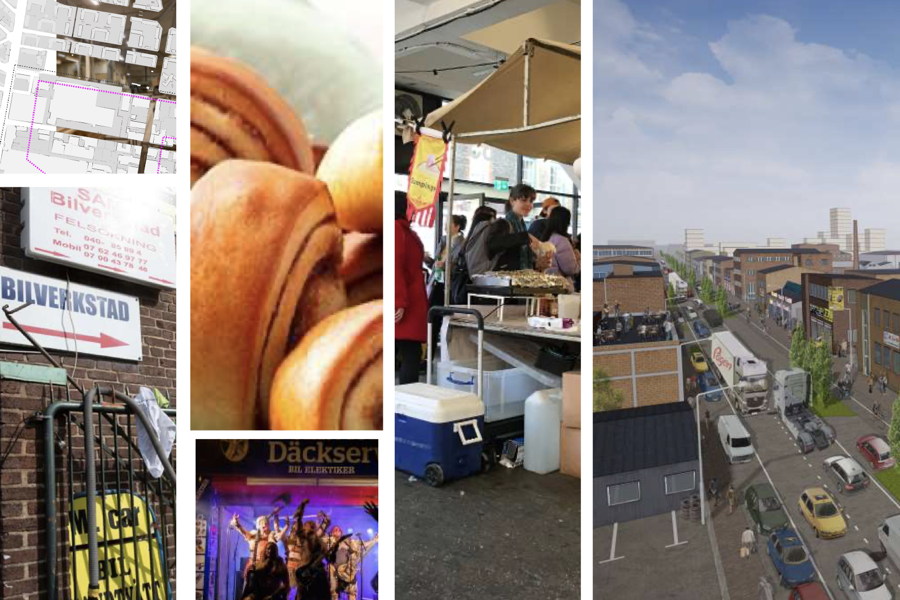
Until 2021, the "Cultural Sound Zone" (Kulturljudzonen) was known to most residents as NGBG (though Arabic speakers referred to it as *sharie aljameiaat*—literally "Association Street"). It is an incredibly diverse area, home to music studios, workshops, associations, car washes, factories, religious communities, shops, art galleries, artisanal production facilities, and three establishments with alcohol licenses.
In September 2021, the planning framework "Sofielunds Verksamhetsområde 2040" (Sofielund Business District 2040) was approved, establishing the Cultural Sound Zone. In this area, the tolerance for noise is higher than elsewhere in the city, allowing both industry and cultural activities to generate sound. Consequently, until 2040, the area should be spared the complaints regarding noise, safety, and traffic that would otherwise arise from the introduction of nearby residential housing.